
 0086-20-3156-0779
0086-20-3156-0779
0086-20-3156-0779



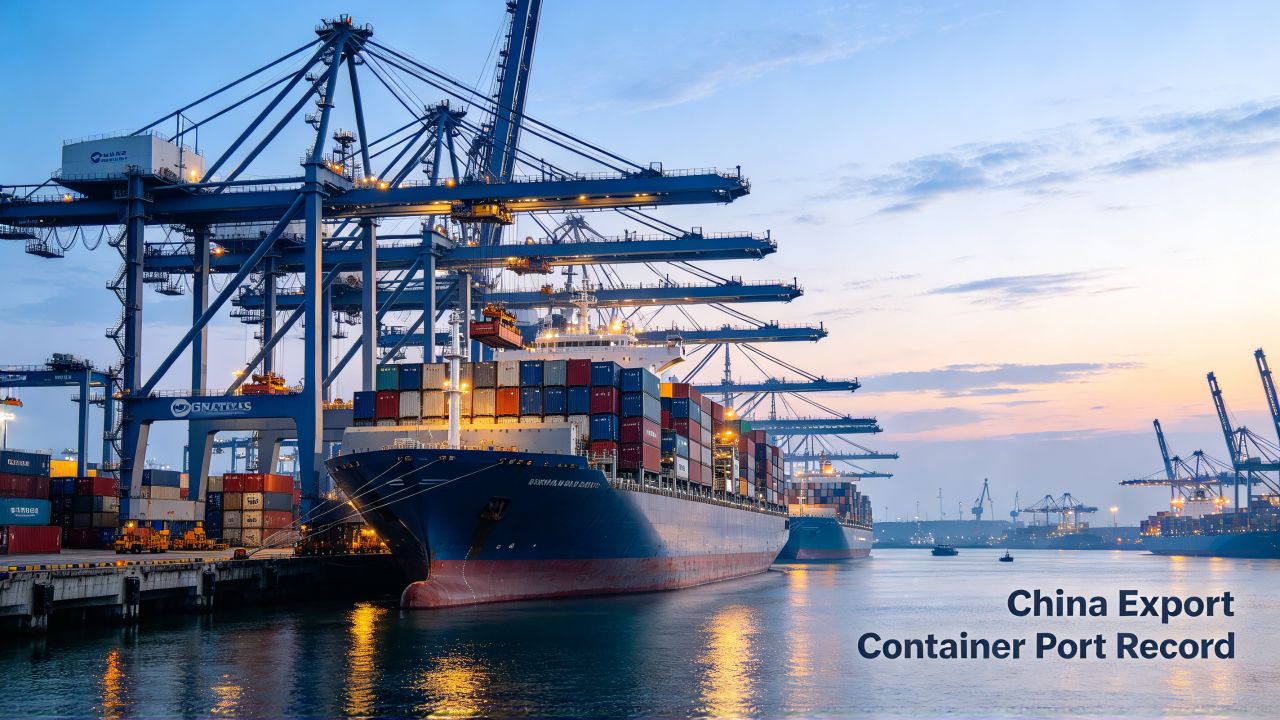
The container ship CMA CGM Jacques Saadé can carry 23,000 TEUs across the Pacific in 22 days. But the hardest thing to move these days isn't silicon or steel. It's people.
On a Tuesday morning in late June, a logistics director based in Shenzhen screens a candidate from Singapore for a role based in Ho Chi Minh City — a regional supply chain VP who needs to understand warehouse automation, customs digitization, and the latest generation of AI forecasting tools. Two years ago, that skillset barely existed as a category. Today, it's the most requested profile in Henderson Executive Search's Asia-Pacific supply chain practice.
"The market has inverted," says a senior consultant at Henderson Executive Search who oversees the firm's industrial and logistics vertical. "Clients used to call us saying, 'Find me someone who knows supply chain.' Now they say, 'Find me someone who knows supply chain and can deploy AI models against live data.' The second part is the hard part."
A 387% Problem
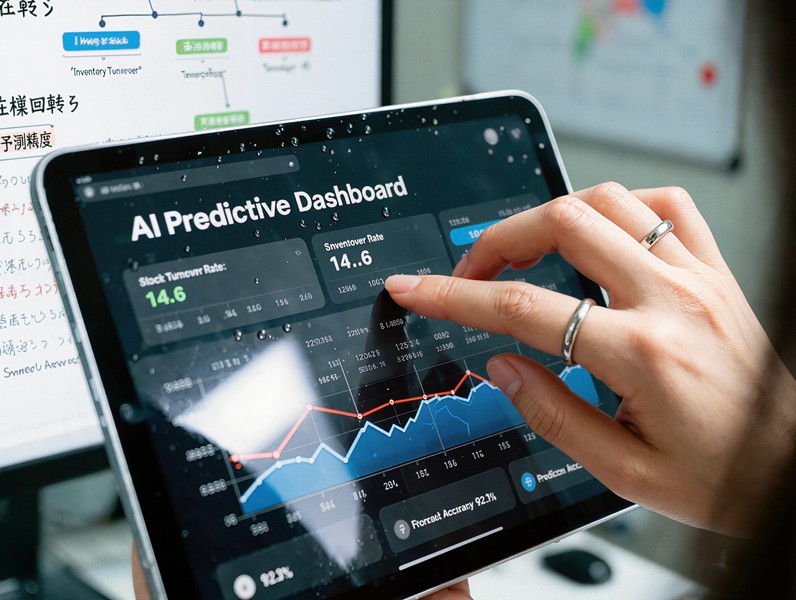
On June 15, 2026, Gartner released data that crystallized what recruiters had been feeling for months. Demand for supply chain roles requiring AI competencies surged 387% between the first quarter of 2023 and the first quarter of 2026. The number isn't a projection — it's already happened. And the supply side hasn't caught up.
Second Talent's 2026 global AI talent shortage report puts the imbalance in starker terms: 1.6 million open positions globally, against just 518,000 qualified candidates. That's a 3.2-to-1 ratio. In supply chain specifically, the gap is even wider because the role demands a hybrid profile — operational depth plus technical fluency — that few traditional supply chain programs produce.
"We're seeing demand outstrip supply by a factor that none of our senior partners have ever witnessed in two decades of practice," notes a partner at Henderson Executive Search specializing in cross-border logistics. "It's not just about AI engineers. It's about mid-career supply chain leaders who can walk into a room and talk about inventory optimization algorithms with the same ease they talk about freight rates. That person doesn't exist in large numbers yet."

Cross-Border Gets Complicated
The urgency is most acute in cross-border supply chain — the segment where AI agents are being deployed fastest. A May 2026 analysis from 36kr identified cross-border logistics as the "perfect scenario" for AI Agent deployment, precisely because it involves multiple languages, customs regimes, currency exposures, and real-time routing decisions that machine learning handles well.
But there's a catch. The same analysis points out that as AI tools take over pattern-recognition tasks, the human roles that remain demand more context, not less. A procurement manager who previously monitored three suppliers now monitors thirty — because AI handles the routine check-ins, freeing the person to manage exceptions. The job hasn't been simplified. It's been elevated, and the talent pool hasn't elevated with it.
"We placed a candidate last quarter — a supply chain director moving from a traditional manufacturer to a cross-border e-commerce platform," recalls a Henderson Executive Search consultant. "On paper she had fifteen years of logistics experience. What sealed the deal was that she had spent the previous eighteen months teaching herself Python and building a simple demand-forecasting model for her team. That initiative, not her fourteen prior years, is what made her unbelievably hard to find."
The Pipeline Has a Hole
Here's the uncomfortable part. According to a May 2026 Gartner report, companies are cutting entry-level supply chain roles — the ones that historically taught people the gritty details of how goods actually move — and replacing them with AI automation. The logic seems sound in the short term: save on labor costs, let the algorithms handle the basics.
The problem, as Scope Recruiting noted in a February 2026 analysis, is that eliminating entry-level roles eliminates the pipeline that produces mid-career professionals. The warehouse supervisor who spent two years learning why a supplier in Vietnam always misses the Thursday cutoff. The logistics analyst who figured out that shipping via Busan instead of Incheon saves 4% even though the distance is shorter. That tacit knowledge doesn't transfer to a model. It accumulates in people who have done the work.
"We're watching companies create a mid-career talent desert," says a Henderson Executive Search advisor focused on supply chain transformation. "They automate away the junior roles today, and in five years they'll be begging us to find them operations directors — except the people who would have become those directors never got the chance to learn the business. It's a self-inflicted wound."
ManpowerGroup's 2026 Talent Shortage Survey found that 72% of employers still report hiring difficulty, down only marginally from 74% the prior year. The improvement is statistically negligible. And the types of roles that are hardest to fill have shifted: technical supply chain roles now rank alongside AI/ML engineering as the most difficult positions to recruit for globally.
Not All AI Talent Comes From Tech
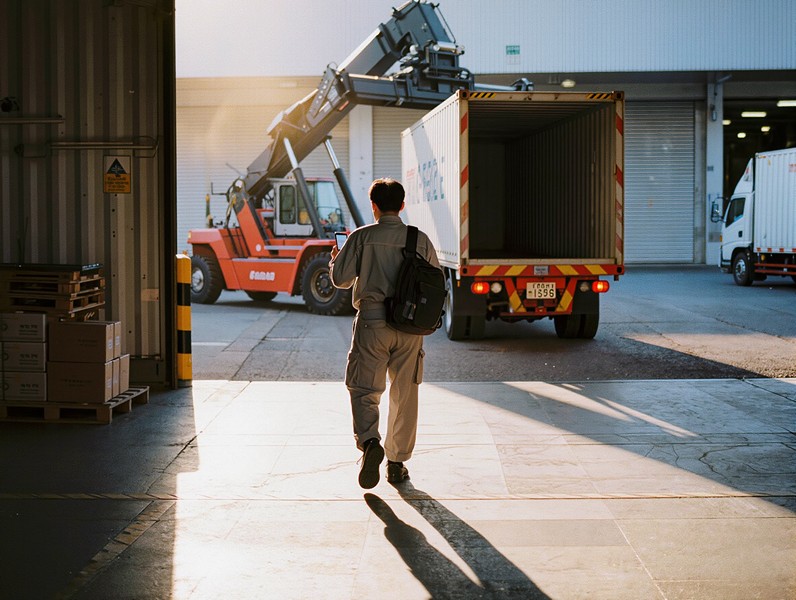
One of the more counterintuitive findings from the current hiring cycle: the best candidates for AI-enabled supply chain roles often don't come from technology backgrounds. Henderson Executive Search's placement data from the first half of 2026 shows that candidates who transitioned from operational supply chain roles into AI-adjacent functions actually outperform pure tech hires in cross-border settings — by a meaningful margin in retention and promotion rates.
The reasoning, according to the firm's analysis, is straightforward. A data scientist who builds a beautiful optimization model but has never dealt with a customs hold in Lagos or a port strike in Rotterdam produces outputs that look great in a dashboard and fail in the real world. The operations professional who learns enough Python to interrogate the model, challenge its assumptions, and override it when context demands — that person is worth multiples.
"We had a case last year where a Shenzhen-based cross-border company hired a machine learning engineer from a top-tier tech firm to redesign their inventory allocation algorithm," says the Henderson Executive Search partner. "The model was mathematically elegant. It also assumed lead times were normally distributed, which anyone who has worked in cross-border logistics for more than a week knows is laughable. The company scrapped the model after six months and hired someone with warehouse experience who had taken an online ML course. That's the profile everyone wants now."

What Companies Are Doing Wrong
The most common mistake? Spraying job descriptions across LinkedIn with keywords like "AI" and "machine learning" and hoping the right person applies. It doesn't work. The 518,000 qualified candidates globally are spread across industries, and the majority of them aren't actively looking — they're being courted by multiple firms simultaneously.
A better approach, the consultants at Henderson Executive Search advise, is to get specific about the problem rather than the title. A company searching for a "Head of Supply Chain AI" might actually need a "VP of Global Logistics Operations who can lead an AI implementation roadmap." The difference in search strategy is enormous.
"The most successful searches we've run this year treated the role as a hybrid from day one," says the Henderson Executive Search supply chain lead. "We didn't look for people who had 'AI' in their job title. We looked for operations leaders who had quietly built data capabilities into their teams. Those people don't call themselves AI experts. They call themselves supply chain people who got tired of doing things the old way. Those are the ones you want."
The Regional Picture
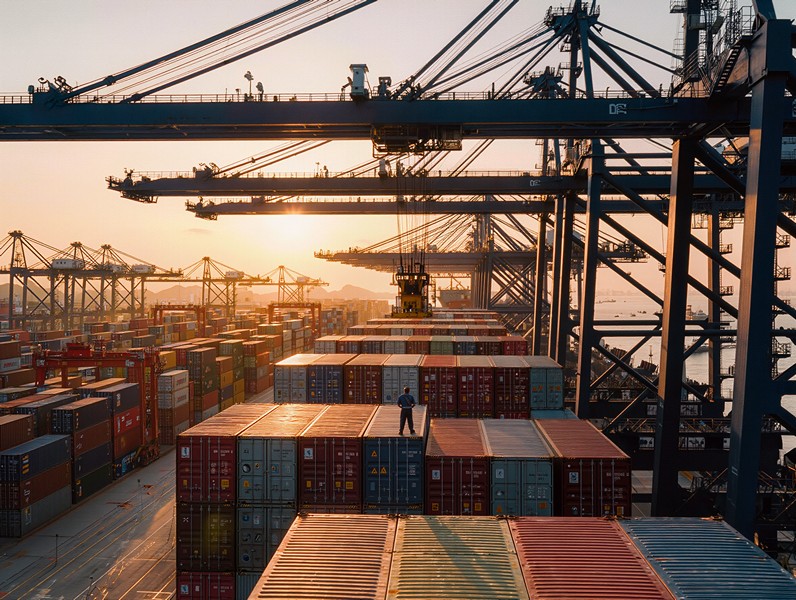
Asia-Pacific leads in hiring intensity, driven by cross-border e-commerce growth and the China-plus-one sourcing strategies that continue to reshape global trade routes. Europe is more cautious — regulatory uncertainty around AI deployment in logistics is slowing hiring decisions. North America sits in between, with strong demand but a candidate pool that skews towards tech rather than supply chain.
In all three regions, compensation for AI-fluent supply chain leaders has jumped 30-45% over the past eighteen months, according to Henderson Executive Search's salary data. The premium is largest for candidates who can demonstrate both operational experience and a track record of AI implementation — not just theoretical knowledge.
Where This Goes Next
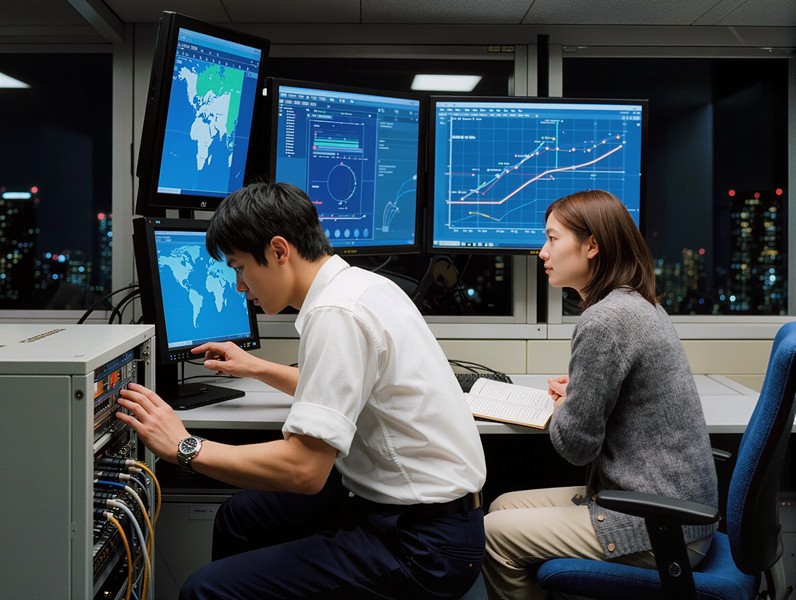
The Gartner statistic — 387% — is already six months old by the time most companies have absorbed it. The rate of change isn't slowing. If anything, the gap between what companies need and what the talent market can supply is widening faster than most executive teams realize.
Henderson Executive Search projects that by early 2027, the competition for hybrid supply chain-AI talent will intensify further as the first cohort of companies that invested early in these profiles begin to pull away from competitors who waited. The talent that separates winners from laggards is being hired right now.
"The window for getting ahead of this is narrower than most boards appreciate," the Henderson Executive Search partner says. "The companies that treat supply chain AI talent as a nice-to-have in 2026 will find themselves structurally disadvantaged by 2028. It's not a hiring trend. It's a competitive fault line."
The ships keep sailing. The containers keep moving. But the people who decide where they go and how fast they get there — that talent pool is the most constrained resource in global trade right now. And it's only going to get tighter.
---
Henderson Executive Search is a global leadership advisory firm specializing in C-suite and senior management placements across supply chain, technology, and cross-border commerce. With practices spanning fifteen markets worldwide, the firm advises multinational corporations and high-growth enterprises on critical talent strategies in an era of digital transformation.





 Why Global Supply Chains Still Need Human Executive Search