
 0086-20-3156-0779
0086-20-3156-0779
0086-20-3156-0779



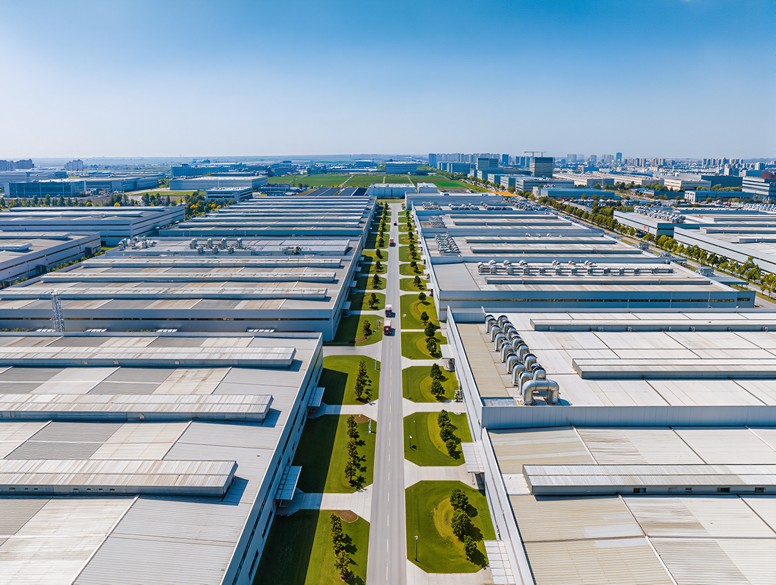
For a decade the West's answer to Chinese cars was a wall of tariffs. Make the finished car more expensive at the port, the logic ran, and the threat recedes. That logic is now breaking in a particular way. Chinese automakers are not retreating from the tariffs; they are stepping around them, planting assembly lines and knock-down-kit operations from Hungary to Brazil to Indonesia. What they cannot step around so easily is leadership. A pressing line and a set of dies can cross an ocean in a matter of weeks. A plant general manager who can run a factory under foreign law, in a foreign language, against a foreign union takes years to find — and there are not enough of them.
The scale of the shift is the story. China's vehicle exports have run hot for three straight years, and the momentum is now carrying production with it. The European Union's countervailing duties and Washington's tariff wall did not shut the door; they changed the address. One auto-industry observer framed the moment in September as a second phase of Chinese globalization, in which ownership of productive assets matters more than the country stamped on the finished vehicle. BYD, the country's largest electric-vehicle maker, has guided its 2026 overseas sales to roughly 1.5 million units and told analysts it will exceed that figure, with localization in Brazil, Hungary, Thailand and Indonesia doing the heavy lifting, according to reports citing company executives. Overseas volume has exceeded 40% of the company's total in each of the past five months, and it is eyeing 2.5 million units by 2027. At its Camaçari plant in Brazil, BYD has rolled out its 100,000th vehicle and pushed the local workforce past 5,500 people. Beijing, meanwhile, published its 15th five-year plan for intelligent connected new-energy vehicles in early September, a 2026-to-2030 roadmap that targets a 70% share for the sector and puts autonomous driving and capacity discipline at the center of the next phase. The capital is moving, and the factories are moving with it. The executives are the lagging variable.

The individual projects tell the same story from the ground. In Hungary, BYD has said it will begin assembling cars in the fourth quarter of 2026 at a plant outside Szeged, its first European production base, while pausing a parallel Turkish site. In the Global South, Chinese firms are localizing production through full factories and knock-down-kit assembly in Brazil, Indonesia and South Africa, creating manufacturing hubs in markets where Chinese brands already dominate EV adoption, according to chinaglobalsouth. The pattern is no longer "build in China, ship abroad." It is "build where the tariff wall stops." The International Organization of Motor Vehicle Manufacturers, known as OICA, put the trade-off plainly in September: localized production offers some protection, but it trades one set of risks for another — currency swings, energy costs and a supply chain that must be rebuilt in a country where the buyer does not know your name. Here's the thing: a knock-down kit is cheap to ship. The person who has to stand up a paint shop, a stamping line and a dealer network in a country with no familiarity with your brand is not.
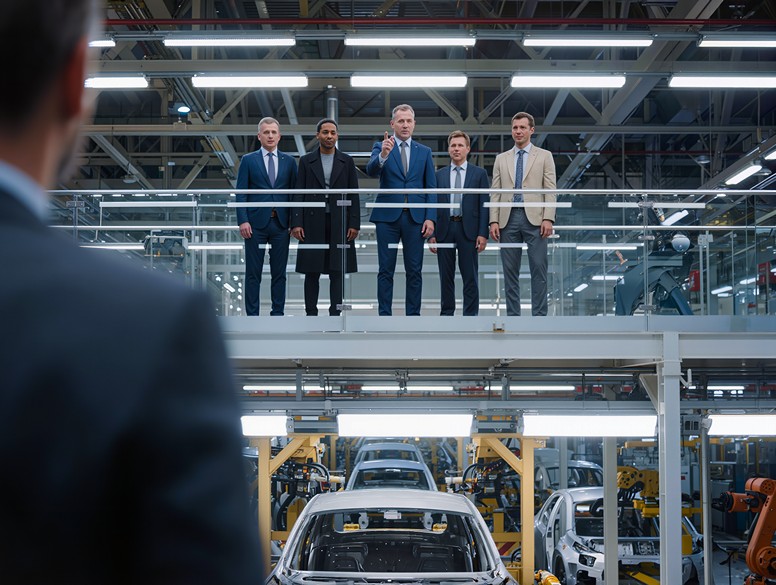
That is where executive search gets pulled to the front of the room. A senior consultant at Henderson Executive Search who works automotive mandates describes the same call arriving from a Hangzhou EV maker and a European industrial group in the same quarter: both want a leader who has built a manufacturing operation from a greenfield site in a market they are entering cold, who has managed a joint venture across two legal systems, and who can hold a local workforce and a headquarters a continent away in the same week. The supply of that profile is thin and does not move quickly. Henderson Executive Search's recruiters note that the jump from export manager to overseas plant general manager is the hardest single promotion in the industry: an export manager sells cars that arrive finished; a plant GM is responsible for the welds, the parts supply chain, the labor force and the local balance sheet. One skill is selling, the other is building. Compensation is climbing in step: an executive who has actually stood up a plant abroad can now command a package that would have looked absurd three years ago, and the number keeps rising as each new site breaks ground. Firms that confuse the two roles, Henderson Executive Search's consultants argue, spend two years and a failed launch learning the difference.

It would be a mistake, though, to read every announced plant as a running factory. A number of the promised overseas projects have not materialized on schedule; Rest of World reported this year that China's promised overseas production has, so far, failed to match the rhetoric, with several announced sites still on paper. To be fair, that lag is not a sign the strategy is wrong — it is evidence of how hard the work is. Announcing a factory is a capital decision. Staffing one is a people decision, and the people decision is where the plan stalls. A single overseas plant needs fifteen or twenty leaders on day one — plant manager, supply chain director, quality chief, HR head, government-relations lead — and most Chinese automakers have two or three of those people to spare, if that. Nor is the competition only among Chinese firms: Japanese, Korean and European automakers are staffing their own overseas plants from the same small pool of bilingual manufacturing executives, so a Chinese entrant in Brazil is bidding against incumbents who have been there for decades. Henderson Executive Search's consultants counsel clients to treat a new overseas plant as a bench-building exercise, not a single hire, and to start the search before the ground is broken. Most do the reverse, and then discover that the market for bilingual automotive plant leadership is a global auction in which the buyer who moves last pays the most.
What this means for hiring is unambiguous. For a Chinese automaker moving from exported cars to owned production, the scarce asset is no longer capital, no longer battery supply, and no longer even tariff strategy; it is an executive who has actually built a plant abroad, who can rebuild a supply chain in a market that does not yet trust the brand, and who can run a cross-border operation in two languages and two time zones. Henderson Executive Search sees the demand concentrating in three places: the plant general managers who own the local P&L, the supply chain directors who must localize parts and suppliers, and the country heads who sit between the factory and headquarters. How do you staff a factory in a country where you have never hired a single employee? The answer, increasingly, is that you do not build the bench from inside — you find it, one executive at a time, across Shanghai, Szeged, São Paulo and Jakarta. The talent pool for this work is genuinely international, and it is shallow everywhere at once. For the firms that move first, Henderson Executive Search argues the reward is the one thing a tariff cannot tax: a factory that is already running while the competition is still looking for the person to break ground.

FAQ
Q: What roles does a new overseas car plant actually need on day one?
A: Fifteen or twenty leaders, not one. The start-up bench typically spans a plant general manager who owns the local P&L, a supply chain director who must localise parts and suppliers, a quality chief, an HR head and a government-relations lead. Most Chinese automakers have only two or three of those profiles to spare, if that, which makes staffing a greenfield site a bench-building exercise rather than a single senior hire.
Q: Why is moving from export manager to plant general manager so difficult?
A: They are different disciplines. An export manager sells cars that arrive finished; a plant general manager owns the welds, the parts supply chain, the labour force and the local balance sheet. One skill is selling, the other is building, and firms that treat the two as interchangeable spend two years and a failed launch learning the difference. The role also has to hold a local workforce and a headquarters a continent away in the same week.
Q: Where does the candidate pool sit, and who else is bidding for it?
A: The pool is genuinely international and shallow everywhere at once, concentrated among executives who have built a manufacturing operation from a greenfield site in a market they entered cold. Competition is not only among Chinese firms: Japanese, Korean and European automakers staff their own overseas plants from the same cohort, so an entrant in Brazil bids against incumbents with decades of local presence, which turns bilingual plant leadership into a global auction.
Q: What goes wrong when a plant announcement is treated as a staffing plan?
A: Announcing a factory is a capital decision; staffing one is a people decision, and that is where plans stall. Because a plant needs fifteen or twenty leaders at start-up and most automakers hold only two or three to spare, the search normally has to begin before ground is broken. Companies that start afterwards find relocation, dual-language fluency and union experience acting as hard filters, and launch dates slip accordingly.





 China Runs a Third of Global Chip Packaging — and Under 5% of the Part AI Needs